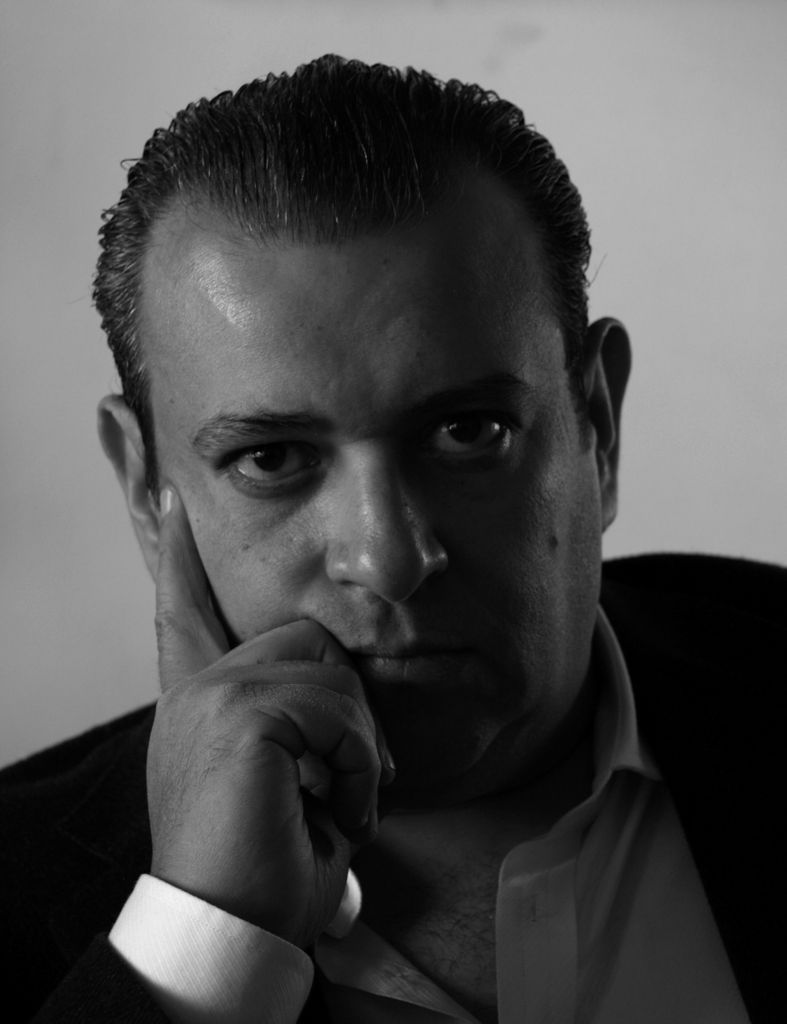
Who is Tarek Wagih
For over three decades, Tarek Wagih a half Egyptian half Kuwaiti architect has been a rising voice calling for innovation in architecture, furniture and product design. He creatively synthesizes his interest in minimalism with the poetics of classical Islamic architecture and craft.
Tarek’s interest in Islamic architecture was kindled by his discovery of Fatimid and Mamluke architecture in the late 80’s. The work of the late Hassan Fathi, renowned for his unique style of architecture further influenced him, inspiring a new perspective on the authentic proportions and detail of Arabic architecture and, more importantly, an insight into the need to work with, rather than against nature. He was also greatly influenced by the work of Luis Barragan and Mies van der Rohe which taught him that the true raw material of architecture is place rather than mass.
Along with these professional influences, Tarek has sustained a lifetime passion for Arabic poetry and heritage, especially manifested in traditional crafts, inspiring him to combine the rudiments of Islamic and Arabic aesthetics with his re-exploration of the meaning of ‘place’ in modern Egypt. He has been an equally veracious reader of philosophy especially phenomenology and existentialism. Highly impressed by Husserl, Heidegger and other phenomenologists, He avidly investigated the writings and work of leading Architects influenced by these philosophy gurus from Christian Norberg Schulz through Claudio Silvestrine.
Harmoniously merging all these lines of thought and artistic reflections, Tarek developed his own insight into the meaning of architectural renewal in contemporary Arab and Muslim context. To him renewal, consists neither in indulging a progressive march towards technology and simple mimicking of modern lines, nor in a neo-classical or postmodern recasting of old designs. Tarek fervently believes that renewal is a disclosure of how we normally assimilate the past. The past is never gone to be imitated, and the future is not simply a copying of what we label progressive. Instead, renewal is the fundamental integration of the present in the past that we already grow into through tradition, social norms and ethical systems. Artistic renewal is just bringing to light what we always already do in day-to-day life. The poetics of his design aims to re-discover how a reflective Arabic Muslim spirit orients itself in and what it intellectually explores about a modern setting into which it was born and to whose demands it responds.